
A carbon steel sword is not just a weapon or a decorative object; it represents centuries of craftsmanship, history, and functional design. Whether you own one as a collector, a historical replica, or as part of a themed interior inspired by swords from different eras, proper care plays a major role in preserving its strength and appearance.
Unlike stainless steel, a carbon steel sword reacts more quickly to air, moisture, and handling. That sensitivity is exactly what gives it superior sharpness and authenticity, but it also means maintenance cannot be ignored. When maintained properly, a carbon steel sword can last for decades without losing its visual appeal or structural integrity.
This guide explains practical, real-world methods to protect your sword from rust, environmental damage, and long-term wear, without turning maintenance into a complicated routine.
Understanding Carbon Steel Sword Material and Why Maintenance Matters
Carbon steel has been used for swords for centuries because of its hardness, durability, and edge retention. Historically, a carbon steel sword was preferred in combat due to its ability to hold a sharp edge while withstanding impact and stress.
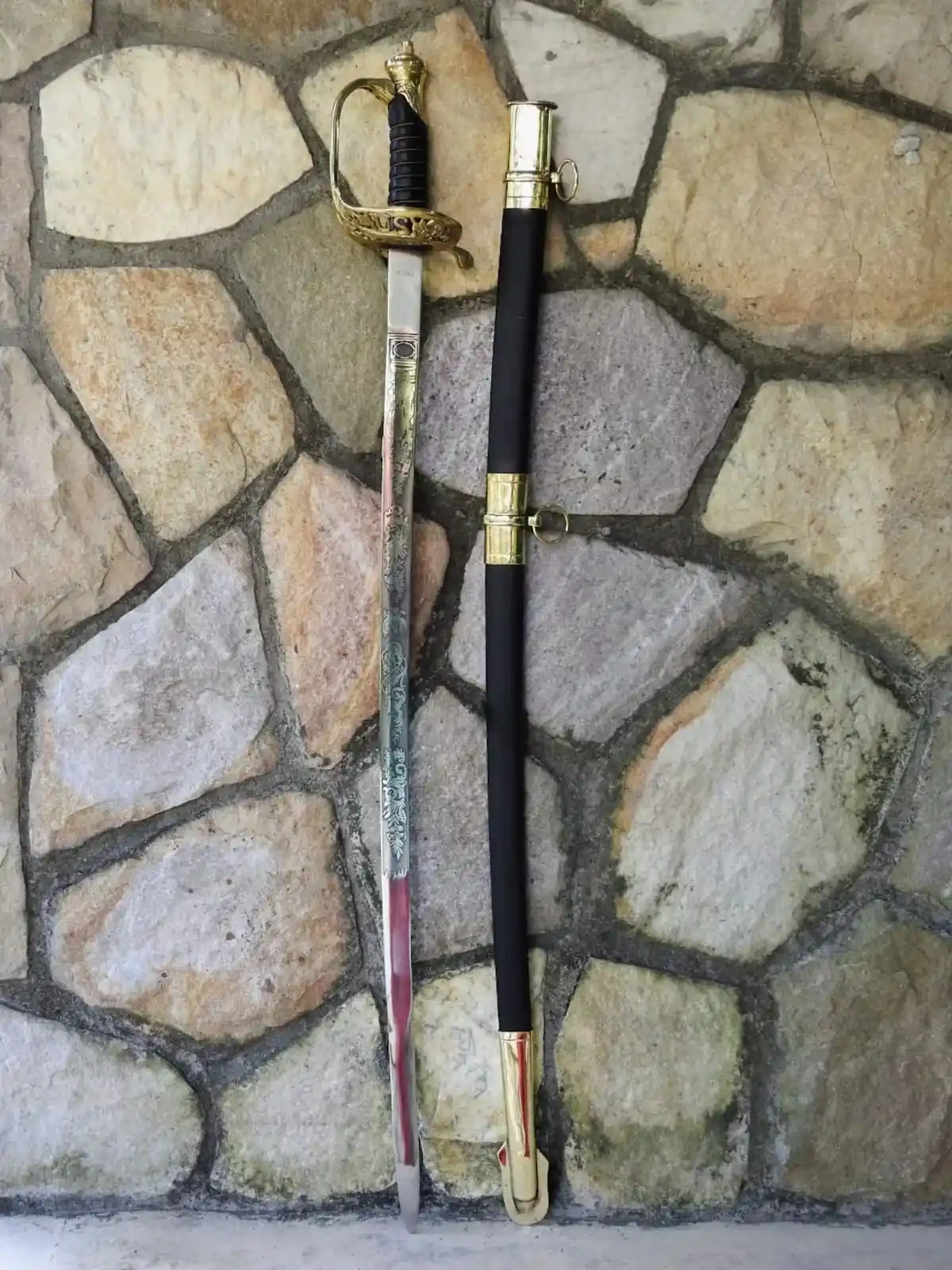
That same material composition is also why maintenance is essential. Carbon steel contains less chromium than stainless steel, making it more prone to oxidation. Even the humidity in the air can begin the rusting process if the blade is left unprotected.
This is why even today, collectors and enthusiasts often choose a carbon steel sword over modern alloys for authenticity and performance, but only when they are prepared to care for it correctly.
Cleaning a Carbon Steel Sword the Right Way
Cleaning is the foundation of any sword maintenance guide. Dust, oils from handling, and environmental residue all contribute to corrosion if left untreated.
After handling your sword, always wipe it down with a soft, dry cloth. Regular wiping is especially important for a carbon steel sword, as fingerprints often leave behind moisture and mild acids that accelerate rust formation.
For deeper cleaning, keep the process gentle and controlled:
- Use a clean microfiber cloth to remove surface dust
- Apply a small amount of rubbing alcohol to remove old oil or residue
- Ensure the blade is completely dry before applying fresh oil
Avoid water unless absolutely necessary, and never use abrasive pads or harsh household cleaners. Proper cleaning ensures your carbon steel sword does not develop micro-rust spots that slowly damage the blade over time.
Oiling and Protecting the Blade Surface
Oiling creates a protective barrier between the steel and its environment. This step is simple but critical for rust prevention.
A thin, even layer of oil is all that’s required. Too much oil attracts dust, while too little leaves the blade exposed. Food-grade mineral oil or specialized sword oil both work well.
Even if your sword is mounted as part of a decorative display, such as decorative swords for the home, it still needs periodic oiling. A stationary blade is still exposed to air and humidity, especially in indoor environments without climate control.
Depending on your local climate, oiling every few weeks is usually sufficient. In humid regions, more frequent inspection is recommended.
Best Way to Store a Carbon Steel Sword for Long-Term Durability
Long-term storage of carbon steel swords is where many owners unintentionally cause damage. Storage is not about hiding the sword away; it’s about controlling the environment around it.
Each carbon steel sword should be stored with airflow and humidity control in mind, not sealed away without inspection. Leather scabbards, while beautiful, are not ideal for long-term storage because they trap moisture close to the blade.
Key storage principles include:
- Keep the sword in a dry, well-ventilated space
- Avoid long-term storage inside leather scabbards
- Store horizontally or vertically without pressure on the blade
- Use silica gel or dehumidifiers in enclosed cabinets
When displayed on a wall, ensure the mounting hardware does not scratch or compress the blade. A properly mounted sword can remain both visually striking and safely preserved for years.
Preventing Rust on a Carbon Steel Sword Before It Starts
Rust prevention is far easier than rust removal. Small habits make the biggest difference.
Touching the blade with bare hands, skipping oil after cleaning, or placing the sword near windows can all increase corrosion risk. Because carbon steel reacts quickly, early rust often appears as a faint discoloration rather than obvious damage.
If light surface rust does appear, address it immediately with a soft cloth and a mild blade-safe polish. Avoid aggressive sanding, as it removes steel and permanently alters the blade’s profile.
Routine inspection, especially for displayed swords, is one of the simplest ways to ensure your carbon steel sword remains rust-free.
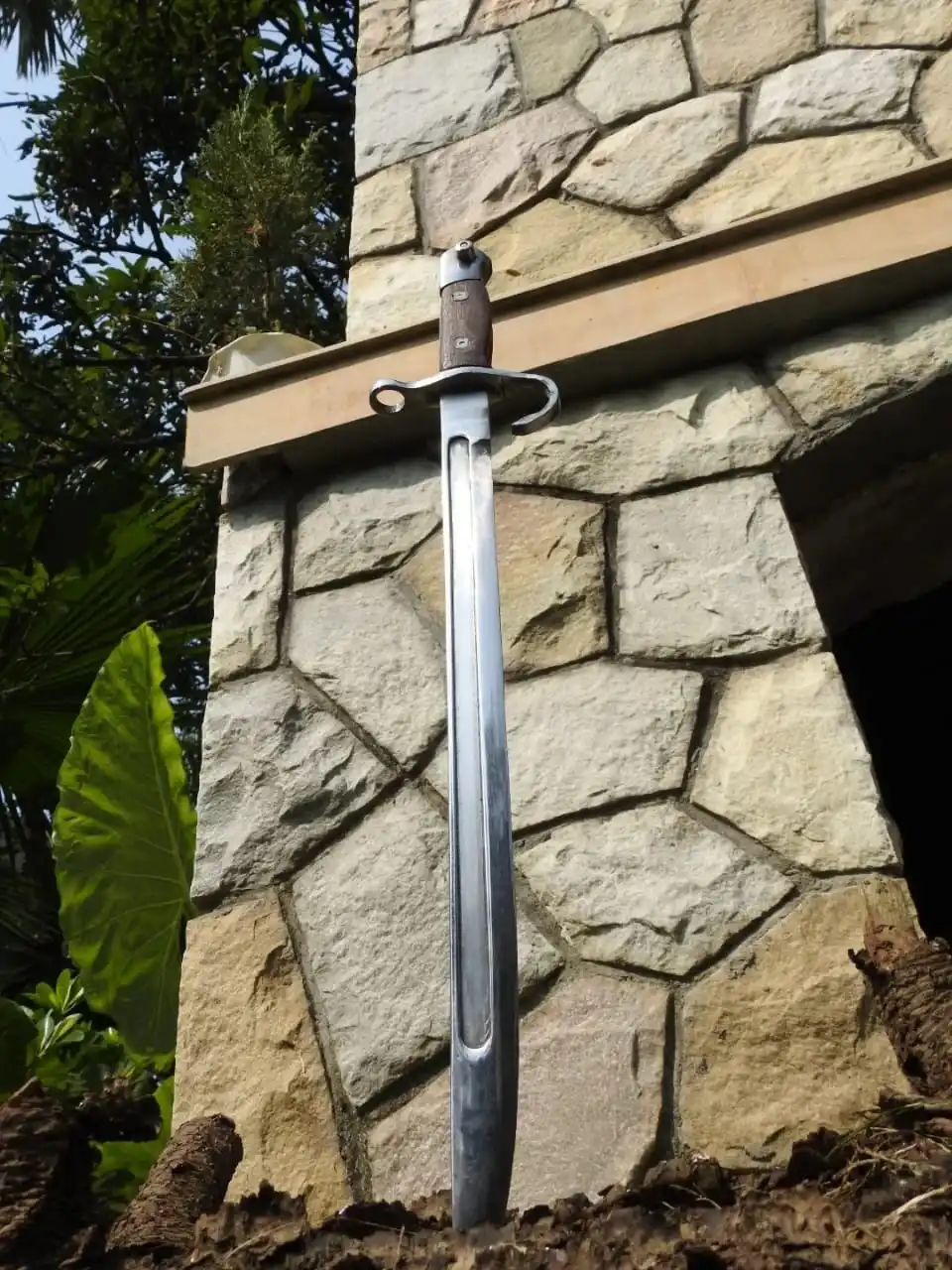
Display Swords vs Functional Blades: Care Differences
Not every sword serves the same purpose. A functional blade used for cutting practice experiences different stress compared to a purely decorative piece.
Display swords mainly require corrosion control and surface care. Functional swords demand additional attention to edge alignment, impact marks, and overall structural integrity.
Collectors interested in swords from different eras often own both types. Understanding how each sword is used helps determine the level and frequency of maintenance required.
Common Carbon Steel Sword Maintenance Mistakes
Even experienced owners make mistakes that slowly damage their blades.
Over-polishing, using chemical cleaners, or sealing a sword in airtight packaging can all cause long-term harm. Carbon steel needs protection, not isolation.
Another common oversight is ignoring the guard, tang area, and fittings. Moisture often collects in these hidden areas first, making regular inspection essential.
Building a Sustainable Maintenance Routine
Sword care doesn’t need to be complicated. A simple routine, clean, oil, inspect, and store properly, keeps maintenance manageable and effective.
For collectors who use swords as part of interior styling or historical displays, such as Decorative Swords for Home, consistent care ensures the sword remains both beautiful and authentic.
Ten minutes of maintenance every few weeks is far more effective than trying to repair damage after months of neglect.
Final Thoughts: Preserve the Blade, Respect the Craft
A carbon steel sword reflects centuries of metallurgical knowledge and skilled craftsmanship. Maintaining it properly is not just about preventing rust; it’s about preserving history.
With thoughtful cleaning, smart storage, and consistent inspection, a carbon steel sword can remain sharp, rust-free, and visually striking for generations. Whether you’re a collector, decorator, or history enthusiast, proper care ensures your sword remains a timeless piece of your collection.
If your appreciation for sword care extends to historical craftsmanship and design, exploring swords from different eras can deepen that connection while reinforcing the importance of proper maintenance.