Buying medieval armour online can be exciting, especially for new collectors drawn to the craftsmanship and historical presence these pieces offer. From polished helmets to full suits of steel, the online marketplace makes medieval armour accessible like never before. But convenience also brings risk, particularly for buyers who are still learning what separates quality from compromise.
Most disappointments don’t come from bad intentions; they come from unclear expectations. Understanding how online armour buying works is the first step toward making choices that feel satisfying long after the purchase.
Understanding the Intent: Why First-Time Buyers Often Struggle
For beginners, buying medieval armour online usually starts with visuals. Photos, finishes, and dramatic product descriptions tend to overshadow deeper considerations like construction quality, historical context, and long-term care.
This is where a reliable medieval armour buying guide becomes essential. When collectors understand what to evaluate beyond appearance, they’re far less likely to make costly mistakes or impulse purchases they later regret.
Mistake 1: Letting Price Decide Everything
One of the most common mistakes new collectors make is focusing almost entirely on price. While budget matters, extremely low-cost armour often reflects compromises in material thickness, detailing, or overall build quality.
Quality armour requires skilled shaping and proper finishing. Experienced collectors know that when buying medieval armour online, price should be weighed alongside craftsmanship and intended purpose, not viewed in isolation.
Mistake 2: Overlooking Materials and Construction Details
Online images can be deceptive. Two armour pieces may look identical on screen, yet feel completely different in weight, balance, and durability once handled.
New collectors often skip technical descriptions or accept vague material claims. Over time, one of the most valuable medieval armor collector tips is learning to look for clear information about steel type, thickness, and construction method. These details reveal far more than polished photos ever will.
Mistake 3: Confusing Display Armour With Wearable Pieces
Another frequent issue is assuming all armour is meant to be worn. In reality, many pieces are designed specifically for visual presentation rather than physical use.
Display-focused armour emphasizes form, symmetry, and historical appearance. Wearable armour requires precise articulation, sizing, and comfort considerations. Collectors interested in interior styling or heritage décor often find museum-style decorative medieval armours better aligned with their needs than entry-level wearable replicas.
Mistake 4: Ignoring Historical Context
Historical accuracy isn’t about perfection; it’s about coherence. Armour styles evolved across centuries and regions, and mixing them unintentionally can weaken the overall impact of a collection.
New buyers frequently purchase individual pieces without understanding how they relate historically. Even a basic awareness of periods and regional styles helps collectors approach buying medieval armour online with intention rather than guesswork.
Mistake 5: Not Evaluating the Seller
When buying medieval armour online, the seller’s credibility matters just as much as the product itself. Many first-time buyers focus on visuals alone and overlook who is actually producing or supplying the armour.
Reputable sellers usually provide:
- Clear measurements and material specifications
- Honest clarification on display versus wearable use
- Consistent photos of actual products
- A focused catalogue rather than random offerings
Evaluating the seller reduces uncertainty and improves long-term satisfaction.
Mistake 6: Failing to Plan for Display and Preservation
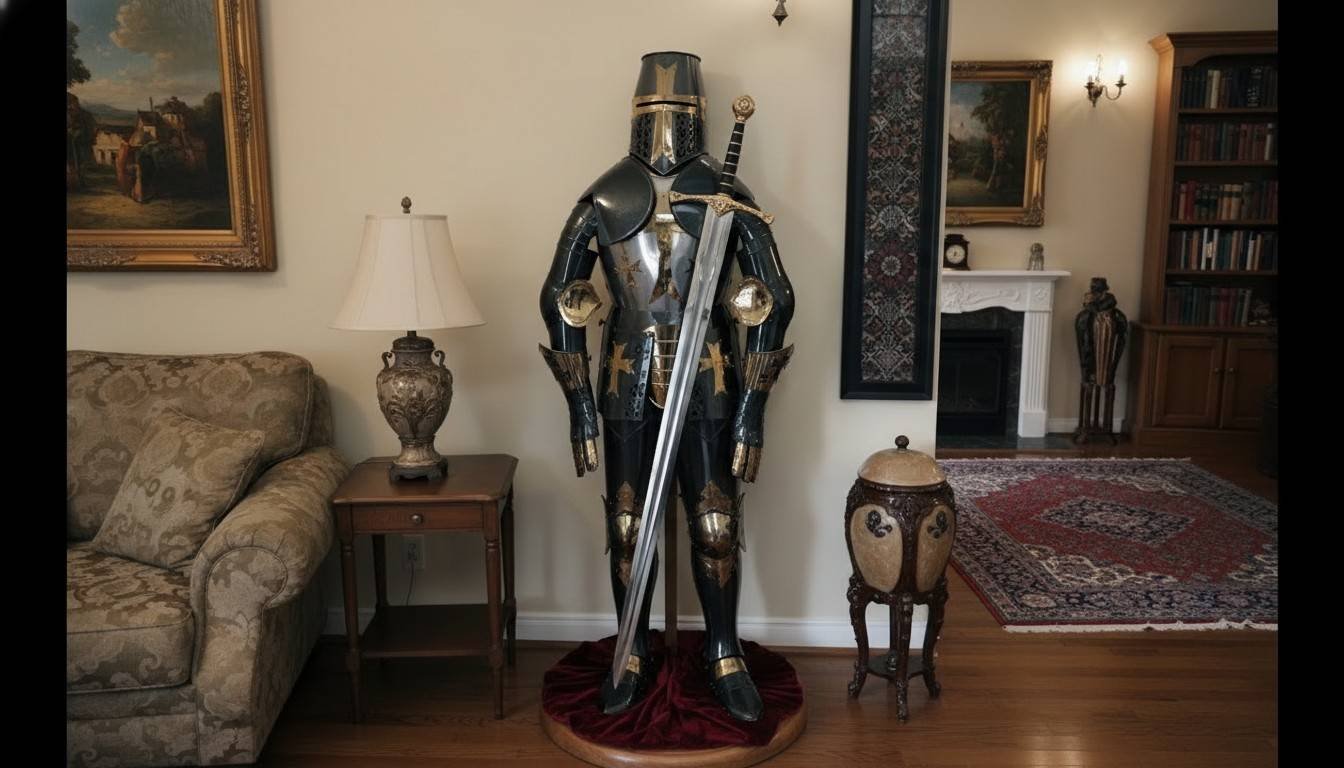
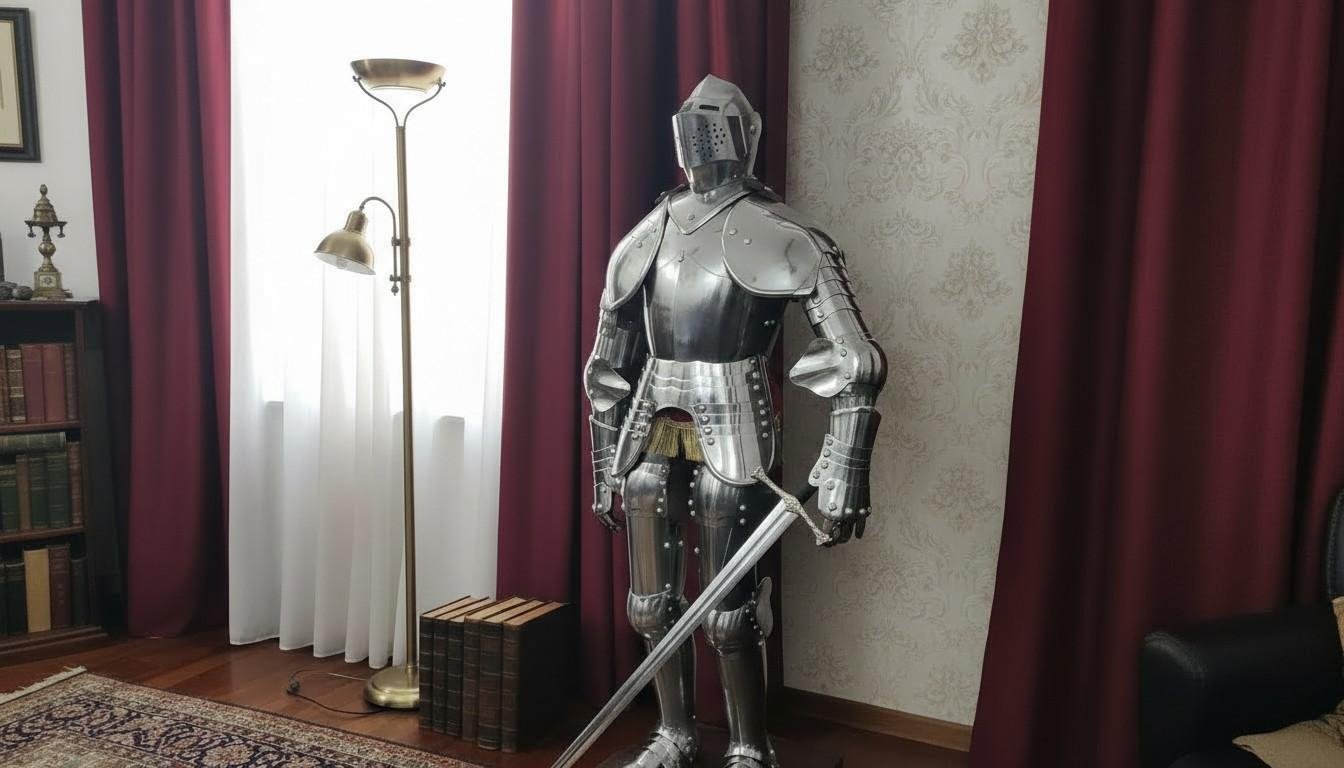
Armour is heavy, reactive to moisture, and sensitive to improper mounting. Yet many collectors only think about placement after the piece arrives.
To display medieval armour safely, buyers should consider wall strength, humidity, airflow, and lighting exposure. These factors should influence buying decisions from the beginning, especially for larger or more detailed pieces.
Mistake 7: Underestimating Maintenance Needs
Medieval armour is not maintenance-free. Steel reacts to the environment and handling, and neglect can quickly dull even the most impressive piece.
Basic care usually involves:
- Occasional protective oiling or waxing
- Stable indoor humidity
- Minimal bare-hand contact
- Secure, stress-free mounting
Understanding upkeep requirements early is one of the most practical medieval armor collector tips for long-term ownership.
How Experienced Collectors Approach Buying Medieval Armour Online
Seasoned collectors approach buying medieval armour online with patience and clarity. They define their purpose first, display, collection, or historical study, then assess craftsmanship, accuracy, and seller expertise.
This thoughtful approach explains why museum-inspired collections and refined decorative medieval armours continue to appeal to collectors who value longevity and authenticity over impulse.
Final Thoughts: Buy With Clarity, Not Curiosity Alone
Buying medieval armour online doesn’t have to feel uncertain. Most mistakes stem from rushing decisions or relying too heavily on appearance. With the right knowledge, online buying becomes a powerful way to access historically inspired craftsmanship from anywhere.
By understanding materials, purpose, display needs, and care, collectors can build collections that feel intentional and lasting. For those seeking refined aesthetics and long-term value, museum-grade decorative medieval armours offer a balanced, thoughtful path forward.