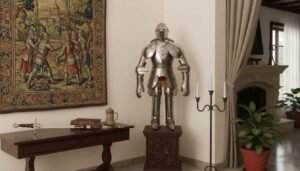
Leather armour is more than historical gear. It represents craftsmanship, tradition, and often serves as a statement piece for collectors, reenactors, and enthusiasts of medieval aesthetics. Whether your armour is worn during events or displayed as part of medieval decor for the home, proper leather armour care determines how long it maintains its strength, flexibility, and visual appeal.
This guide explains leather armour care in a practical, realistic way. You will learn how leather behaves over time, the best way to preserve its condition, and how to clean it safely without causing damage. Everything here is designed for real-world use, not theory.
Understanding Leather Armour and Why Leather Armour Care Matters
Leather armour is made from natural animal hide. Unlike synthetic materials, leather reacts constantly to its environment. Heat, humidity, body oils, dust, and improper cleaning methods can gradually weaken it.
Without consistent maintenance, the material can dry out, crack, develop mold, or lose its shape. Once deterioration begins, restoration becomes difficult and sometimes impossible. Proper care is not about frequent treatment; it is about correct treatment at the right time.
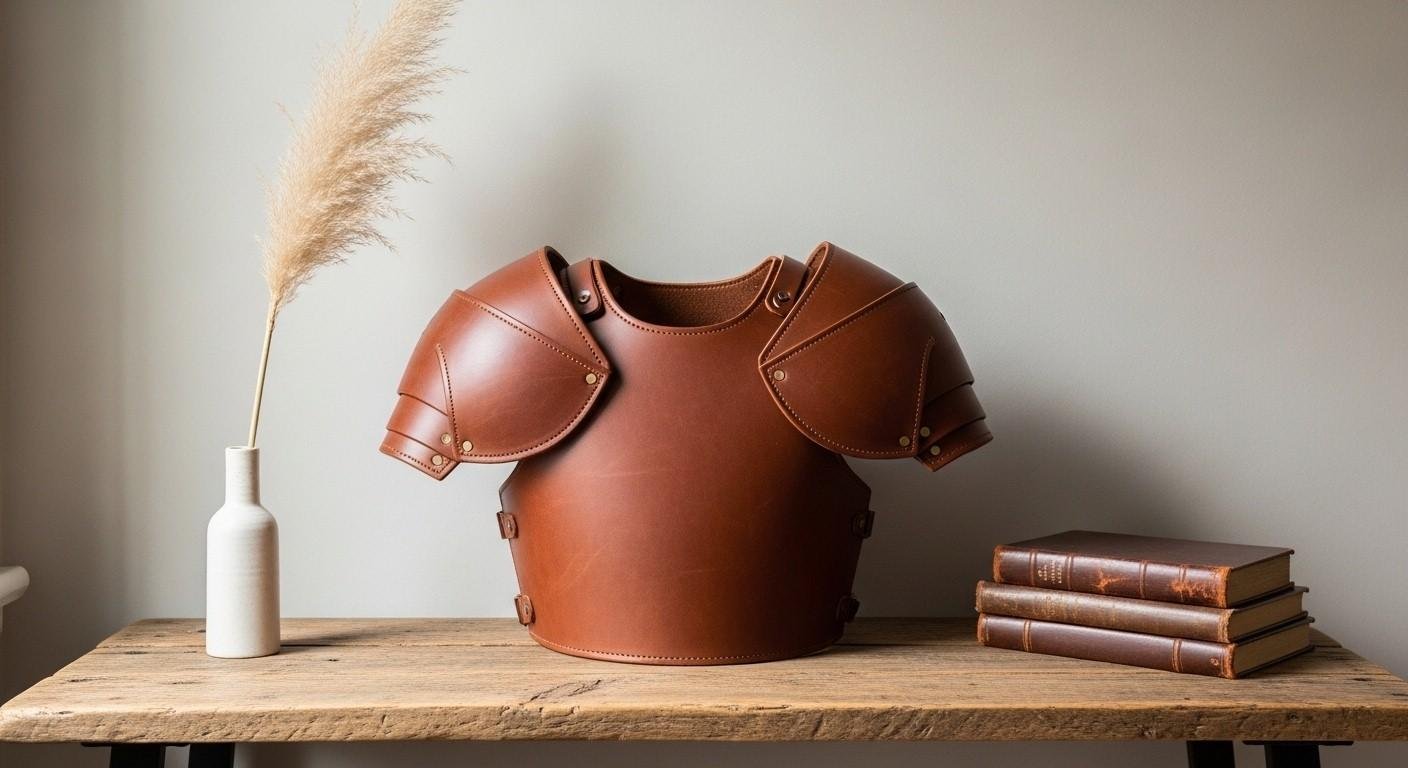
Effective preservation protects three essential qualities:
- Structural integrity
- Surface appearance
- Flexibility
When any of these are compromised, the armour loses both function and authenticity.
Common Mistakes That Ruin Leather Armour
Most leather damage occurs unintentionally. Many people treat armour like modern leather jackets or furniture, which leads to long-term deterioration.
Excessive water use, harsh cleaners, and direct sunlight exposure are common mistakes. Another critical error is over-conditioning. Too much oil softens leather excessively, weakening its fibers and attracting dirt.
Ignoring early warning signs, such as stiffness, dullness, or dryness, is equally harmful. Leather problems rarely fix themselves.
Understanding these risks helps you apply the best way to maintain leather armour without unnecessary treatments.
How to Clean Leather Armour Properly
Cleaning requires restraint and control. Unlike clothing, armour does not need frequent washing, only careful surface maintenance.
Before cleaning, remove loose dust using a soft, dry cloth. Avoid scrubbing. Gentle pressure is enough. For deeper cleaning, slightly dampen the cloth with clean water. The cloth should be barely moist, never wet.
If required, use a leather-specific cleaner suitable for untreated or vegetable-tanned leather. Always test on a hidden area first.
The goal is dirt removal, not saturation.
Safe Cleaning Steps for Leather Armour Care
- Wipe dust using a soft, dry cloth
- Use a lightly dampened cloth only when necessary
- Apply leather cleaner sparingly
- Allow natural air drying away from heat
Avoid soaking, rinsing, or using household detergents. These strip natural oils and weaken leather fibers.
Conditioning: The Best Way to Maintain Leather Armour
Leather naturally loses moisture over time. Conditioning restores essential oils while preserving flexibility.
Use a conditioner or balm designed for armour-grade leather. Avoid products containing heavy wax or silicone unless specifically recommended.
Apply a small amount using a clean cloth. Work it gently into the surface and allow natural absorption. Always remove excess product.
Conditioning frequency varies depending on the climate:
- Dry climates → occasional treatment
- Humid climates → minimal application
Balance is key. Over-conditioning can be just as damaging as neglect.
Protecting Leather Armour from Environmental Stress
Environmental exposure is the leading cause of long-term damage. Sunlight accelerates drying, humidity promotes mold, and extreme dryness causes cracking.
After outdoor use, wipe the armour gently to remove sweat and moisture. Leaving residue on leather encourages deterioration.
For decorative displays, placement is critical. Avoid:
- Direct sunlight
- Heaters & fireplaces
- Damp walls
Leather benefits from airflow. Sealed plastic covers should always be avoided.
Proper Storage: A Key Part of Leather Armour Care
Correct storage prevents structural distortion and premature aging.
Hanging armour on padded supports helps retain shape. Flat storage is acceptable if the armour remains uncompressed.
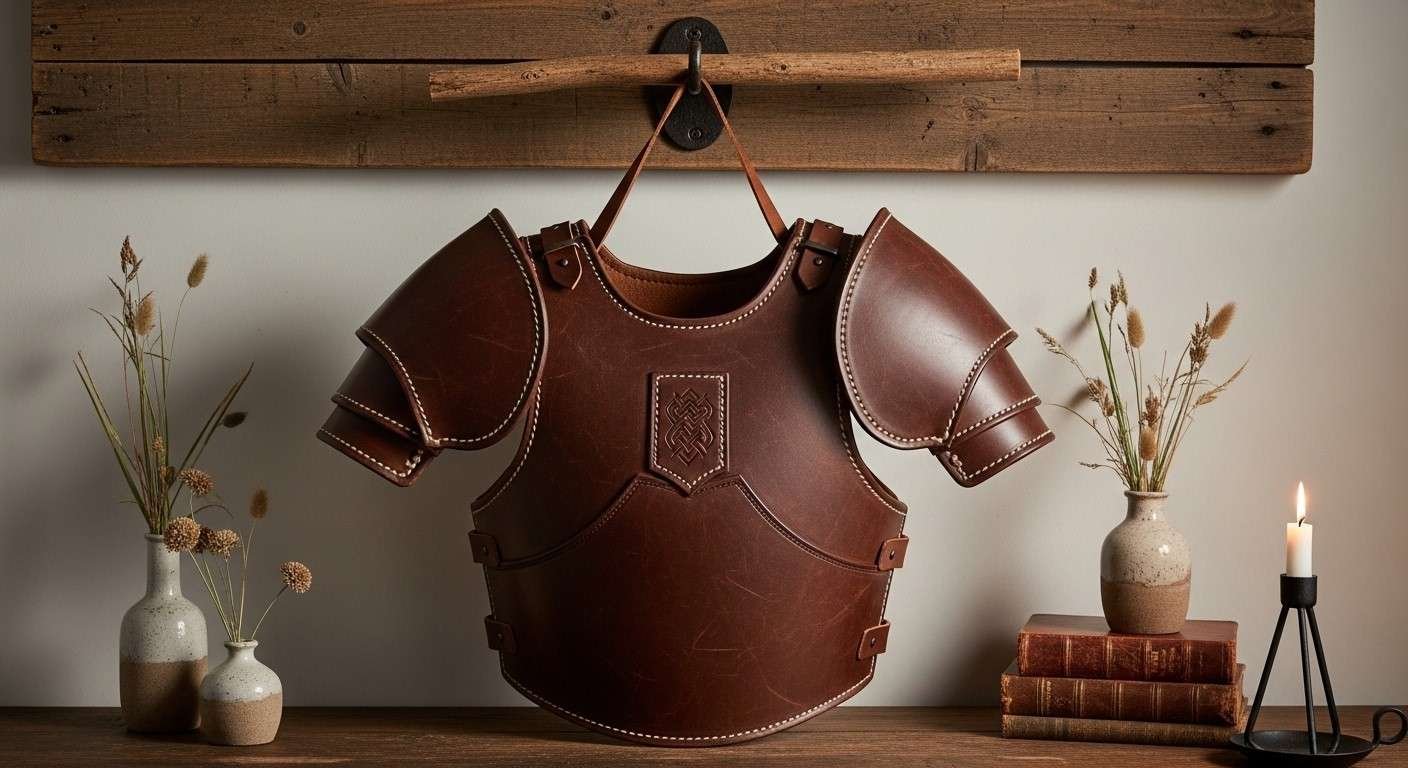
Storage Best Practices
- Store in a cool, dry, ventilated space
- Keep away from sunlight
- Use padded hangers or supports
- Cover with breathable fabric (cotton preferred)
Proper storage remains one of the most effective preservation strategies.
How to Clean Leather Armour Properly When Used for Display
Decorative leather armour requires a slightly different care approach. The focus shifts toward visual preservation.
Dust regularly using a soft cloth or brush. Limit handling, as skin oils transfer easily. Occasional conditioning helps maintain richness and prevents surface drying.
Well-maintained decorative armour often becomes more visually appealing over time.
When to Repair and When to Leave It Alone
Minor marks and scratches are natural. They often enhance authenticity.
However, cracks, stiff joints, or loose straps signal structural stress. Early intervention prevents serious damage.
Avoid DIY fixes involving glue or random stitching. Professional leather repair ensures material integrity.
Long-Term Leather Armour Care Mindset
Proper maintenance is not about perfection. It is about consistency and respect for the material.
Clean only when necessary. Condition thoughtfully. Store correctly. Monitor subtle texture or flexibility changes.
Whether worn for reenactments or displayed as medieval decor, disciplined care significantly extends lifespan.
Final Thoughts on Leather Armour Care
Leather armour carries history, craftsmanship, and personal meaning. With proper maintenance, it can remain strong, flexible, and visually striking for decades.
By understanding leather behavior and following practical preservation habits, you ensure your armour remains a lasting investment rather than a temporary display piece.
Well-cared-for armour is not just equipment; it becomes a legacy.