Decorative pieces like armor instantly transform a space. Whether it is a full knight display, a classic helmet, or a detailed breastplate, these statement items add depth, history, and visual impact. Many homeowners proudly invest in armor displays for the home, but surprisingly few understand how to care for them properly.
Unlike ordinary décor items, display armor interacts constantly with its environment. Dust, humidity, light exposure, and handling habits all influence how the piece ages. Without proper attention, even the most stunning metalwork can lose its shine over time.
The good news is simple. Effective decorative armor maintenance is not complicated. It just requires the right approach, gentle techniques, and consistency.
Why Decorative Armor Requires Special Care
At first glance, armor looks tough. Most pieces are crafted from steel, metal alloys, brass, or coated materials. This often creates the false impression that upkeep is unnecessary.
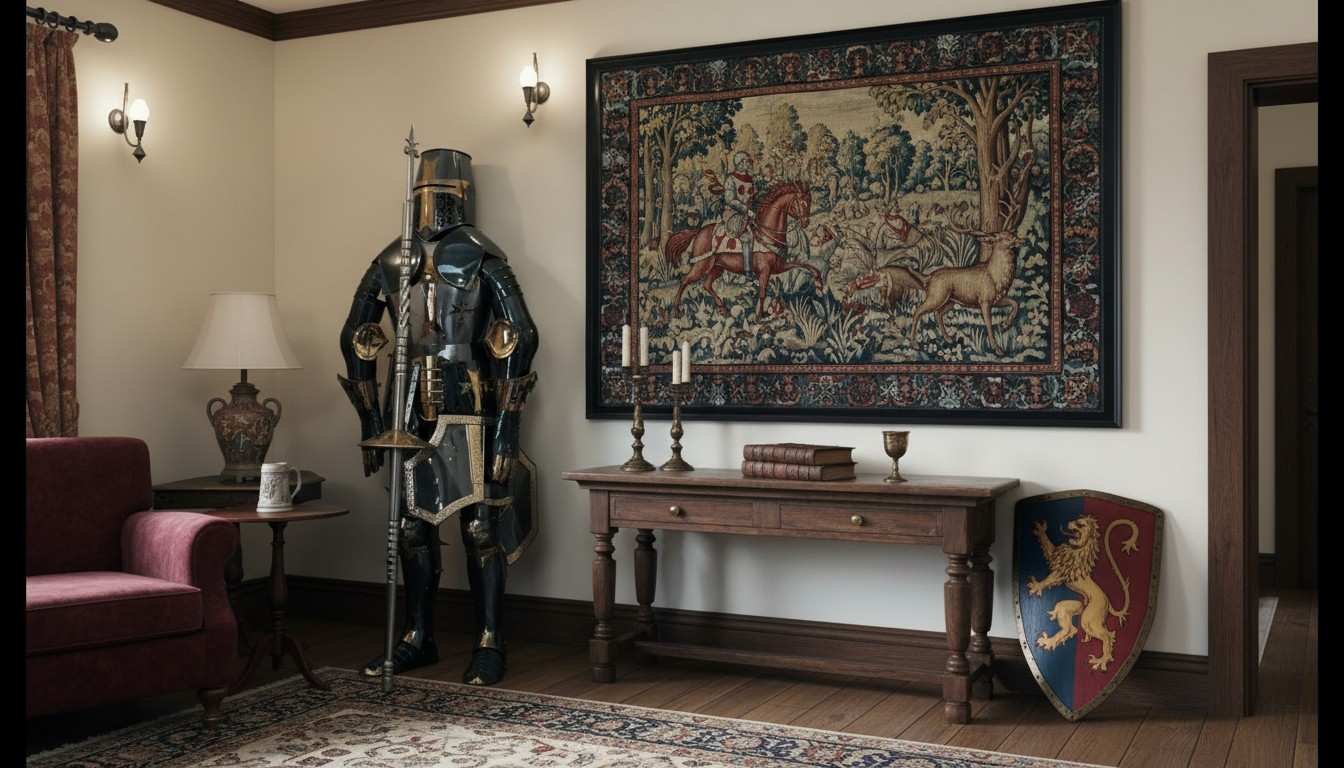
In reality, these display items are highly sensitive to environmental factors. Even when used purely for decoration, several issues can develop gradually:
- Dust dulls reflective surfaces
- Moisture may lead to corrosion or rust
- Fingerprints can create stains
- Tarnishing affects polished finishes
Regular decorative armor maintenance prevents small problems from becoming visible damage. More importantly, it preserves the aesthetic appeal that made you choose the piece in the first place.
Understanding the Material Before Cleaning
Before discussing the best way to clean decorative armor, it is essential to understand what you are working with.
Not all armor behaves the same way.
Common materials include:
- Polished steel or stainless steel
- Brass or bronze finishes
- Painted or coated metal
- Resin or composite elements
For example, steel can rust when exposed to moisture, while brass may tarnish if treated with harsh chemicals. Using the wrong cleaning method is one of the most common mistakes in long-term care.
If your piece is part of a premium decorative armor for home collection, it may also include protective coatings that require gentle handling.
Best Way to Clean Decorative Armor Safely
When people think about cleaning armor, they often imagine strong metal cleaners or aggressive polishing. In most cases, this approach does more harm than good.
The best way to clean decorative armor focuses on safe, non-abrasive techniques.
Routine Cleaning Essentials
- Use a soft microfiber cloth
- Gently wipe surfaces without pressure
- Avoid abrasive fabrics or rough materials
- Clean only in dry conditions
Microfiber cloths are ideal because they lift dust rather than spreading it. This simple choice significantly improves overall decorative armor maintenance results.
For detailed designs or engravings, a soft brush can help remove dust from tight areas without scratching the finish.
Decorative Armor Cleaning Tips for Smudges & Marks
Fingerprints and smudges are extremely common with metal displays. Even minimal contact leaves natural oils on the surface.
Fortunately, removing them is easy when done correctly.
Safe Smudge Removal
- Slightly dampen a microfiber cloth with clean water
- Wipe gently across affected areas
- Immediately dry using a separate cloth
Avoid spraying water directly onto the piece. Excess moisture is a leading cause of corrosion in long-term decorative armor maintenance.
This technique remains one of the most reliable decorative armor cleaning tips because it works without introducing chemicals.
Preventing Rust and Tarnish
Cleaning is reactive. Prevention is far more effective.
Environmental control plays a major role in maintaining decorative armor for home displays.
Humidity, temperature, and placement choices directly influence how metal surfaces age.
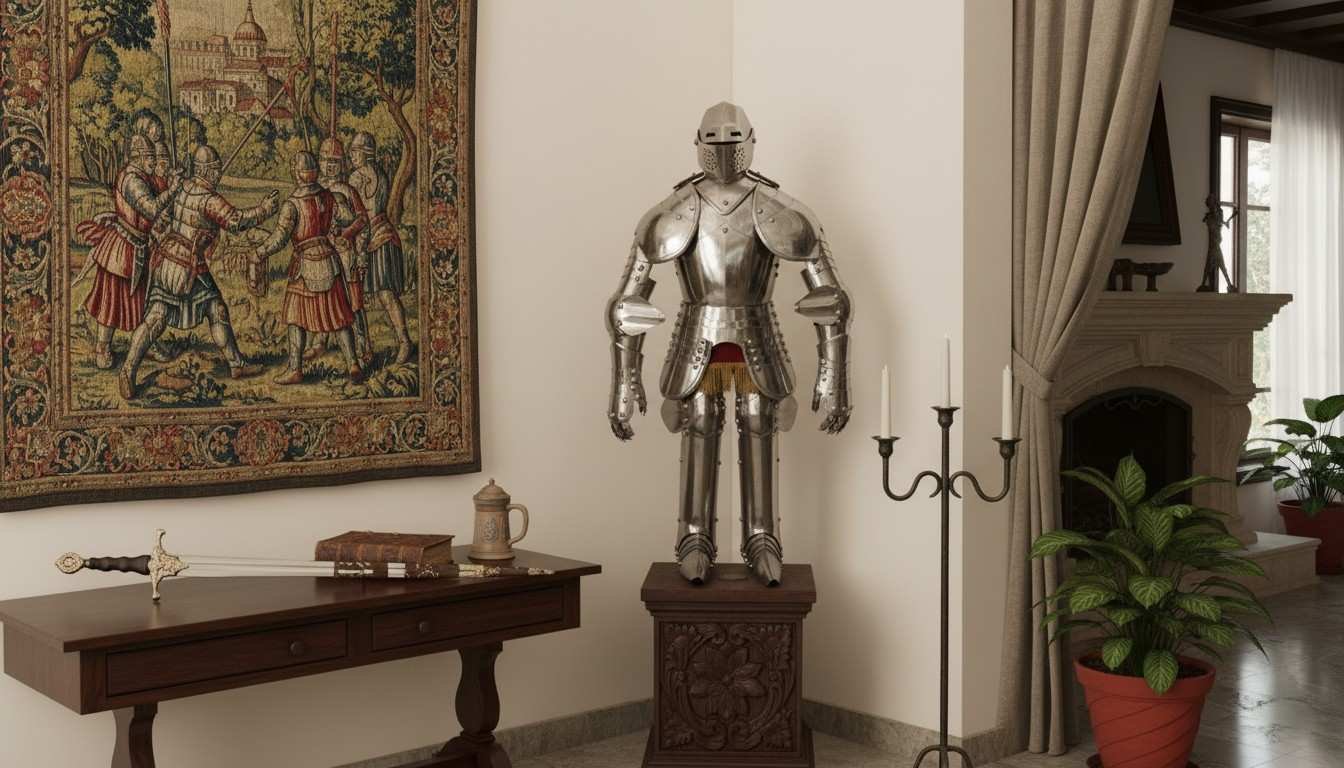
Practical Prevention Strategies
- Keep armor away from damp walls or windows
- Avoid placing near air conditioners or heaters
- Use silica gel packs in humid environments
- Minimize direct hand contact
In humid climates, especially in many parts of India, moisture in the air can gradually affect metal surfaces even without visible exposure.
Smart placement decisions simplify decorative armor maintenance dramatically.
Should You Use Metal Polish?
Metal polish is not automatically required. In fact, over-polishing is a frequent cause of finish damage.
Polishing may be appropriate when:
- The surface shows visible dullness
- The material is uncoated metal
- Manufacturer guidelines recommend polishing
Always test on a small, hidden area first. Apply minimal product and use a gentle motion.
Many modern pieces, particularly those designed specifically as decorative armor for the home, already include protective coatings. Excess polishing can strip these layers.
Handling Decorative Armor the Right Way
Maintenance is not just about cleaning. Handling habits significantly affect long term condition.
Whenever moving or adjusting armor displays:
- Use clean hands or cotton gloves
- Lift from stable structural sections
- Avoid pulling decorative attachments
Scratches, stains, and misalignment often result from improper handling rather than environmental damage.
Consistent care routines are central to successful decorative armor maintenance.
Long Term Storage & Protection
Not all armor remains on permanent display. Some pieces are stored during renovations, relocations, or seasonal changes.
Correct storage prevents unexpected deterioration.
Safe Storage Practices
- Store in dry, temperature-stable environments
- Use breathable fabric covers
- Avoid plastic wrapping
- Keep pieces upright where possible
Plastic traps moisture, increasing the risk of corrosion. Breathable materials provide safer protection.
These often-overlooked decorative armor cleaning tips play a critical role in preservation.
Common Cleaning Mistakes to Avoid
Even well-intentioned upkeep can create damage.
Avoid:
- Harsh chemical cleaners
- Abrasive scrubbing pads
- Excessive moisture exposure
- Frequent unnecessary polishing
The purpose of decorative armor maintenance is preservation, not aggressive restoration.
Gentle, consistent care always delivers better results.
Keeping Decorative Armor Looking Impressive
Decorative armor is more than decoration. It is a focal point, a design statement, and often a conversation starter.
With proper decorative armor maintenance, these pieces can retain their visual impact for decades. Dust removal, moisture control, careful cleaning, and smart handling habits are all that is truly required.
If you are investing in premium decorative armor for the home, maintenance should be viewed as part of ownership rather than an occasional task.
A well-maintained display does not just look polished. It reflects attention to detail and long-term care.
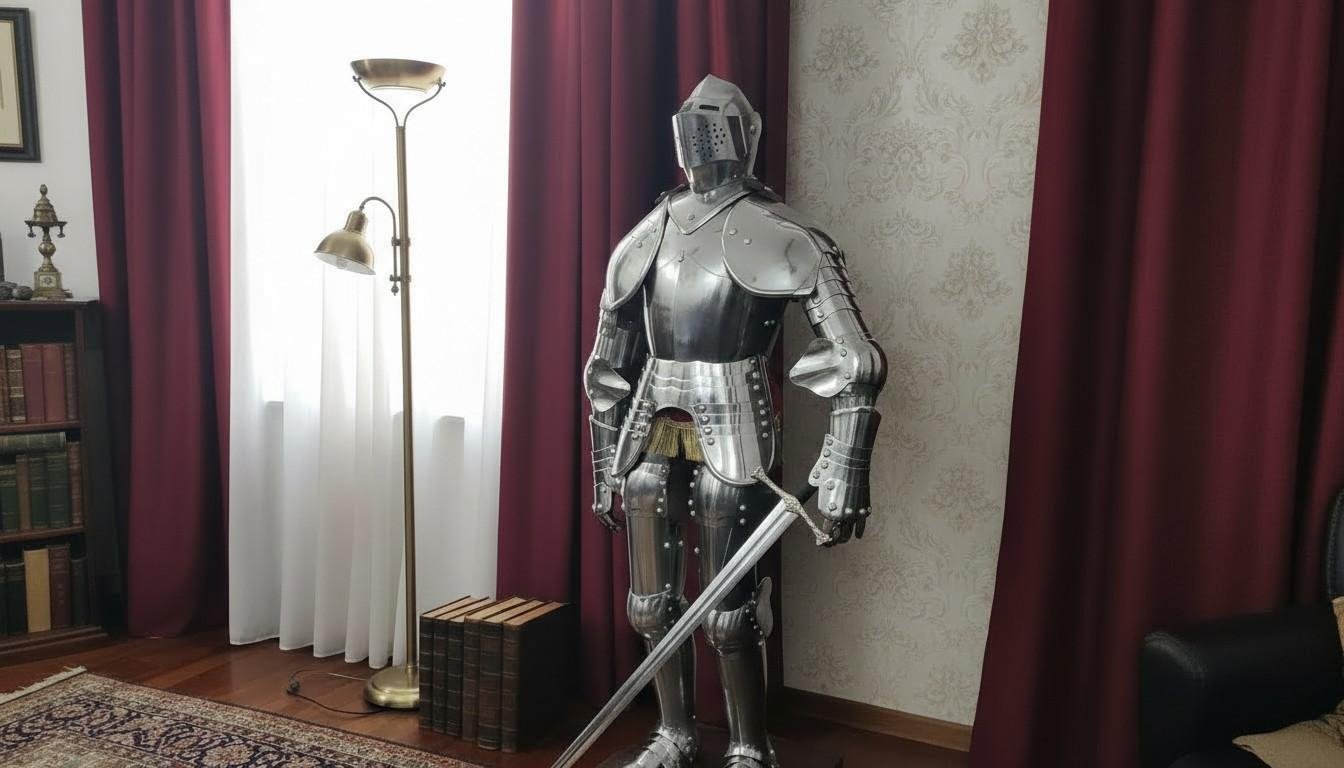
Final Thoughts
Effective decorative armor maintenance is built on simplicity and consistency. Clean gently, protect proactively, and avoid unnecessary treatments.
Small preventive actions today eliminate major restoration problems later.
Whether your armor serves as a dramatic centerpiece or a subtle accent, proper care ensures it continues enhancing your interior for years to come.