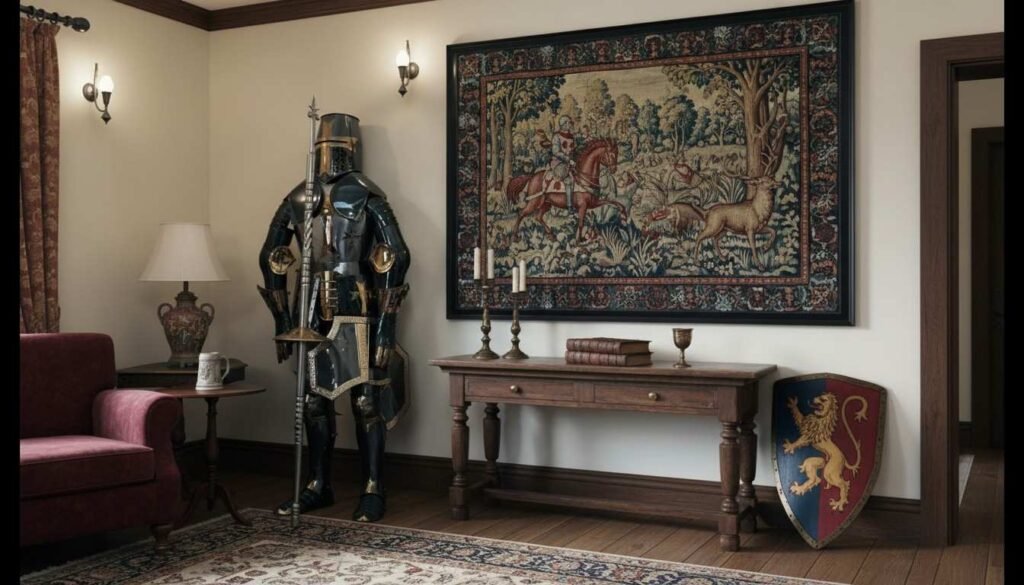
Medieval home decor is more than a visual theme. It is a design style rooted in history, craftsmanship, and atmosphere. Inspired by castles, fortresses, and noble estates from the Middle Ages, this aesthetic focuses on materials, textures, and objects that feel timeless and substantial.
In recent years, interest in medieval home decor has grown far beyond history enthusiasts. Homeowners, collectors, and interior design lovers are increasingly drawn to its bold character, dramatic presence, and handcrafted appeal. Whether someone wants a subtle medieval touch or a fully immersive interior, understanding the core principles of this style is essential.
Understanding the Essence of Medieval Interiors
At its heart, medieval design is about authenticity and durability. During the Middle Ages, interiors were built around function, protection, and longevity rather than decoration alone. This practical foundation shaped a distinct visual identity that still influences design choices today.
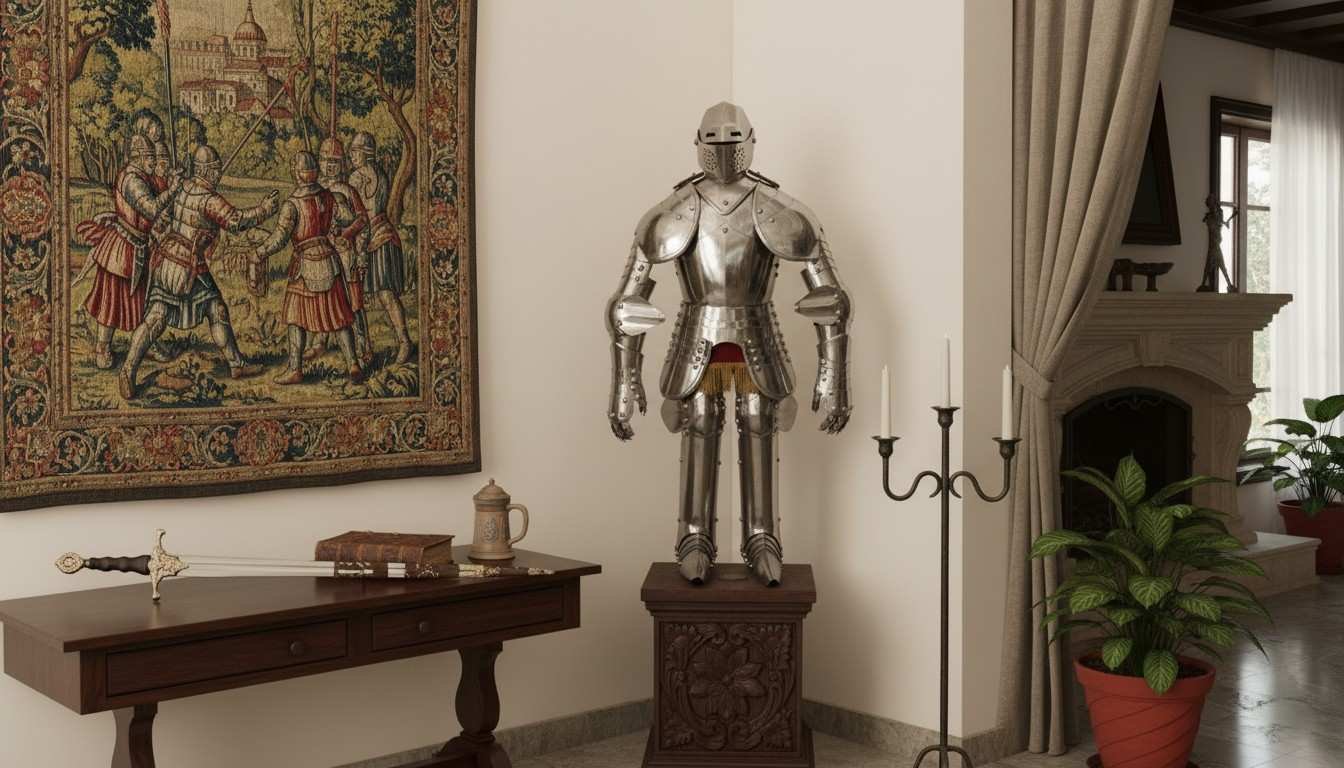
Stone walls, solid wood furniture, iron fixtures, and natural fabrics defined medieval spaces. Rooms often felt grounded, heavy, and purposeful. Unlike modern minimalist trends, medieval interiors embrace visual weight and tactile richness.
What makes medieval home decor particularly compelling is its ability to create atmosphere. A well-designed medieval-inspired space often feels warm, dramatic, and deeply textured rather than sleek or polished.
Key Characteristics of Medieval Home Decor
Several defining features help distinguish medieval-inspired interiors from other historical or rustic styles.
Material Dominance
Materials play a central role. Medieval aesthetics favor:
- Solid wood, especially oak and walnut tones
- Wrought iron and aged metal finishes
- Stone, brick, and rough textures
- Leather and natural textiles
These materials communicate strength and permanence, which are fundamental to the medieval look.
Visual Weight and Structure
Furniture and architectural elements often appear robust and substantial. Thin, delicate pieces rarely fit the style. Heavy tables, carved chairs, and thick beams feel more appropriate.
Muted, Earthy Color Palette
Colors tend to reflect nature and historical pigments. Deep browns, warm neutrals, burgundy, forest green, and aged gold are commonly used.
Handcrafted Aesthetic
Imperfections are not flaws. Slight irregularities, distressed finishes, and visible craftsmanship enhance authenticity.
The Role of Medieval Home Accessories
Accessories are where medieval interiors truly come alive. While structural elements create the foundation, details establish personality and storytelling.
Medieval home accessories typically include items that feel historical, symbolic, or artisanal. Examples include candle holders, shields, tapestries, goblets, wooden chests, and metal wall pieces.
Well-chosen accessories prevent a medieval-themed room from looking empty or incomplete. However, balance is important. Overcrowding a space with decorative objects can make it feel theatrical rather than elegant.
Instead, focus on intentional placement. A few meaningful pieces often create a stronger impact than excessive decoration.
Decorative Medieval Swords as Statement Pieces
Among the most visually striking elements in medieval home decor are decorative medieval swords. These items instantly evoke history, chivalry, and craftsmanship.
Swords have always carried symbolic weight. In medieval culture, they represented honor, protection, and status. When incorporated thoughtfully into interiors, they serve as bold focal points rather than mere ornaments.
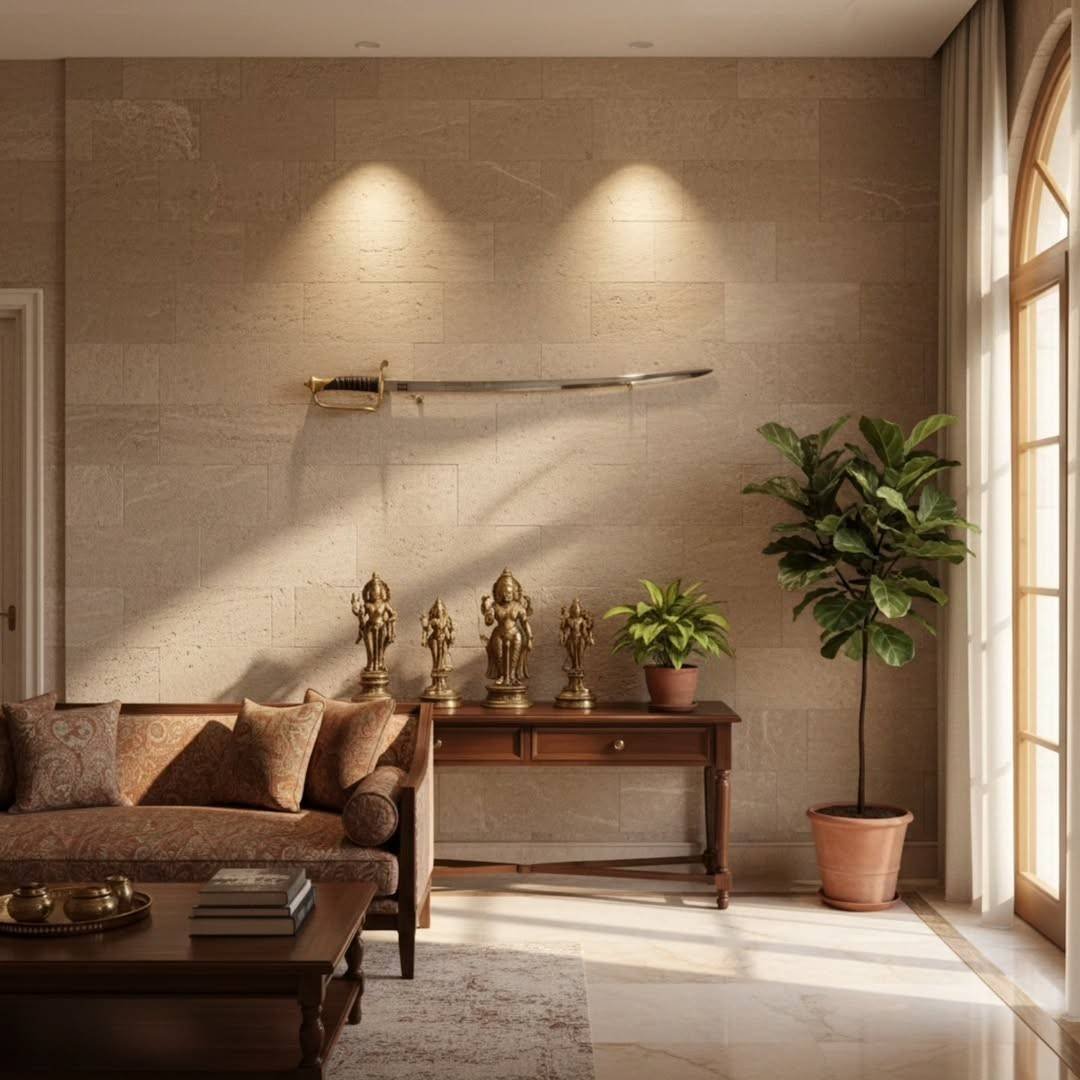
Mounted swords can transform blank walls into dramatic design features. Whether displayed individually or as part of a curated arrangement, they contribute depth and authenticity.
Importantly, decorative medieval swords are not limited to traditional medieval-style rooms. Many homeowners integrate them into modern or industrial interiors for contrast and visual interest.
Medieval Weapons for Decoration and Their Appeal
Beyond swords, medieval weapons for decoration include axes, daggers, spears, and shields. These pieces are valued not only for historical associations but also for their artistic and sculptural qualities.
Their appeal lies in several factors:
- They function as conversation starters
- They add visual drama and character
- They convey craftsmanship and heritage
- They enhance themed or collector-focused spaces
When selected carefully, these objects elevate a room’s personality without overwhelming the design.
Of course, placement and proportion are crucial. A large shield or weapon display suits spacious walls, while smaller pieces work better in compact areas.
Creating a Medieval Atmosphere Without Overdoing It
One common misconception is that medieval interiors must resemble movie sets or fantasy-themed environments. In reality, subtlety often produces more refined results.
A medieval-inspired home can feel sophisticated, warm, and contemporary when elements are integrated with restraint.
Consider blending medieval influences with modern design principles:
- Pair solid wood furniture with clean architectural lines
- Use medieval lighting fixtures in minimalist rooms
- Introduce medieval home accessories sparingly
- Combine iron details with neutral modern palettes
This approach maintains character while avoiding visual excess.
Practical Tips for Designing Medieval-Inspired Spaces
For homeowners interested in adopting medieval home decor, a strategic approach helps ensure cohesion and realism.
Start with Foundational Elements
Focus first on furniture, textures, and lighting. Accessories should enhance the base rather than define it entirely.
Prioritize Material Authenticity
Choose natural materials whenever possible. Wood, metal, leather, and stone-inspired finishes deliver stronger results than synthetic alternatives.
Use Statement Pieces Wisely
Items like decorative medieval swords or shields work best as focal points rather than background clutter.
Maintain Visual Balance
Medieval design embraces richness, but spaces still require breathing room. Avoid overcrowding walls or surfaces.
Consider Lighting Carefully
Warm, ambient lighting complements medieval aesthetics far better than harsh, bright illumination.
Why Medieval Home Decor Continues to Captivate
The enduring appeal of medieval home decor lies in its emotional and sensory qualities. Unlike purely modern styles, it offers depth, narrative, and tactile engagement.
People are naturally drawn to spaces that feel grounded and atmospheric. Medieval design satisfies this desire through texture, craftsmanship, and historical resonance.
Additionally, the style allows for personal expression. Some individuals lean toward historically accurate interiors, while others prefer modern interpretations with selective medieval influences.
Final Thoughts
Medieval home decor is not about replicating the past with rigid precision. It is about capturing a feeling of strength, heritage, and artistry within contemporary living spaces.
Whether you are exploring medieval home accessories, considering decorative medieval swords, or looking at medieval weapons for decoration, the key is thoughtful integration. Balance, material choice, and proportion ultimately determine whether a space feels authentic or overstated.
If you are looking to build a cohesive aesthetic or expand your collection, exploring a curated range of medieval home decor can help you create a space that feels distinctive, dramatic, and timeless.