A medieval sword is rarely judged on appearance alone. To collectors, value is shaped by a layered mix of craftsmanship, materials, rarity, condition, and historical coherence. Two swords may look similar at first glance, yet their desirability can differ dramatically once you examine the details.
This distinction is important whether you are entering the world of medieval sword collectors, comparing decorative medieval swords, or researching through a medieval sword buying guide. Value is not accidental. It emerges from characteristics that signal quality, authenticity, and long-term appeal.
Let us unpack what truly matters.
Value vs Price: Why They Are Not the Same
One of the most common misconceptions among new buyers is equating price with value. While the two are related, they are not interchangeable.
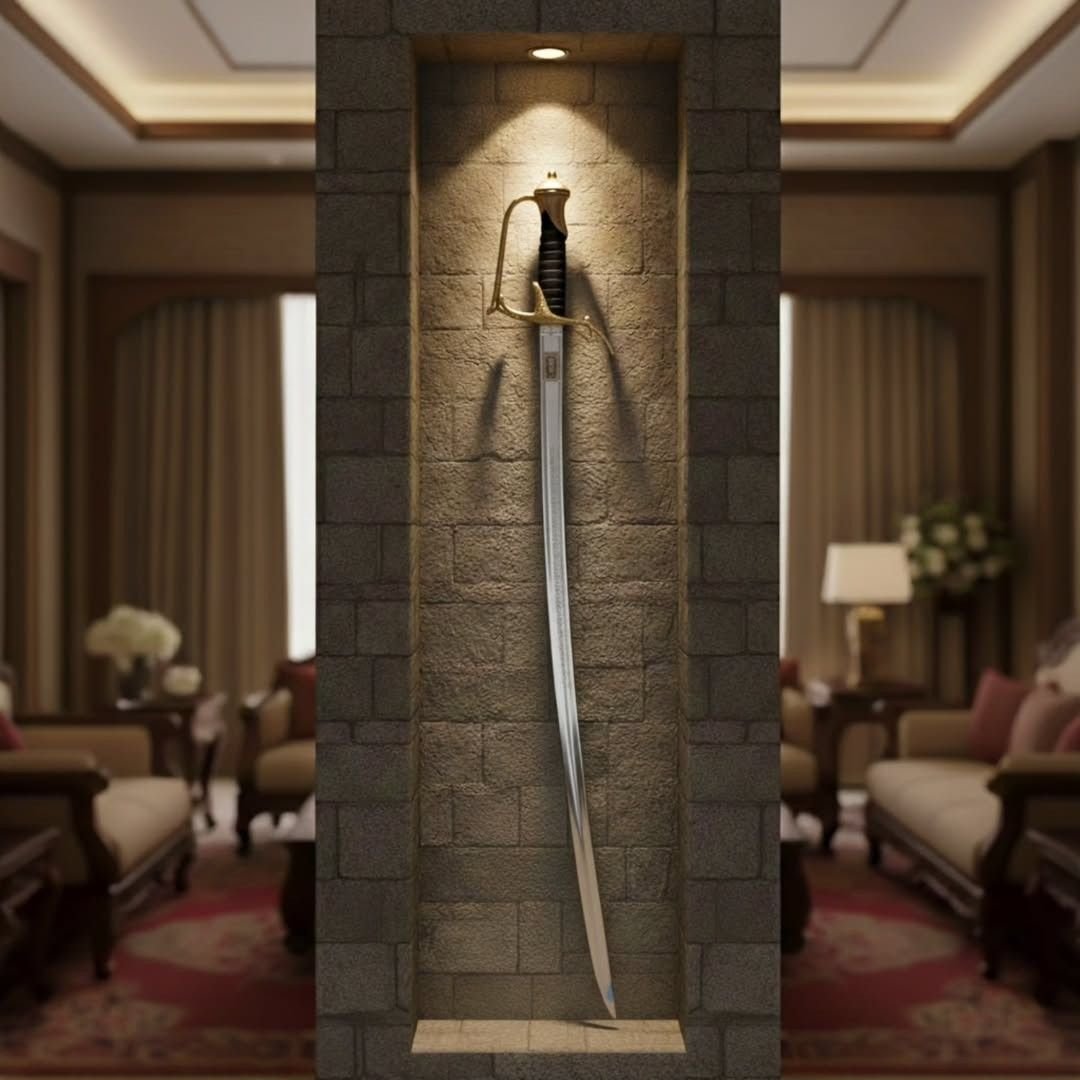
Price is what you pay at a given moment. Value is how collectors perceive the sword over time.
A heavily marketed sword may carry a premium price without offering the structural quality or craftsmanship that experienced collectors seek. Conversely, a modestly priced piece can become highly valued if it demonstrates exceptional build integrity or rarity.
Collectors think in terms of durability, credibility, and distinctiveness rather than short-term cost alone.
Why Rarity Shapes Collector Interest
Scarcity has always influenced collectible markets, and swords are no exception.
Authentic medieval swords are naturally rare due to historical loss, damage, and museum preservation. However, rarity also applies to replicas and modern creations. Limited production runs, discontinued designs, or artisan-crafted swords often attract stronger attention.
Rarity contributes to value because it introduces exclusivity. A sword that is widely available may satisfy decorative needs, but collectors tend to gravitate toward pieces that feel uncommon or distinctive.
Importantly, rarity alone is not enough. Scarcity must be paired with quality to sustain long-term desirability.
Craftsmanship: The Core of a Valuable Medieval Sword
Craftsmanship is where value becomes visible.
A well-crafted medieval sword communicates precision and care. Blade symmetry, proportional accuracy, finishing quality, and hilt stability all reveal the maker’s attention to detail. Poor construction, on the other hand, quickly erodes confidence.
Experienced medieval sword collectors often assess:
- Blade geometry and alignment
- Consistency of surface finishing
- Structural solidity of guard and pommel
- Overall balance and handling feel
Collectors are ultimately investing in workmanship. A sword that reflects skilled construction tends to maintain a stronger perceived worth.
Materials That Influence Perceived Quality
Materials play a subtle but important role in value evaluation.
Historically, swords were forged for function. Modern swords vary widely depending on their intended purpose. Decorative medieval swords prioritize visual appeal, while functional replicas emphasize structural strength.
Blade steel type, heat treatment quality, and hilt materials all shape collector perception. High-carbon steel, for instance, often signals durability, while stainless steel is common in display-oriented pieces.
Collectors typically consider whether the materials align with the sword’s intended role. A decorative piece made with credible construction standards can still hold strong value within its category.
Historical Accuracy and Design Credibility
Design authenticity significantly influences desirability.
Collectors often favor swords inspired by historically grounded forms. Blade profiles, crossguard styles, pommel shapes, and grip proportions all contribute to perceived credibility. A sword that visually aligns with medieval design traditions tends to attract broader interest.
This does not diminish decorative medieval swords. Many collectors appreciate stylized designs for their artistic presence. However, historically coherent aesthetics often age better in terms of sustained collector value.
For buyers consulting a medieval sword buying guide, this distinction is essential. Visual drama alone does not guarantee long-term appeal.
Condition: The Silent Value Multiplier
Condition has a direct impact on value, often more than beginners anticipate.
For antique swords, structural damage, corrosion, repairs, and restoration quality strongly influence pricing. In the replica market, condition still matters. Scratches, loose fittings, uneven finishes, or visible defects reduce perceived worth.
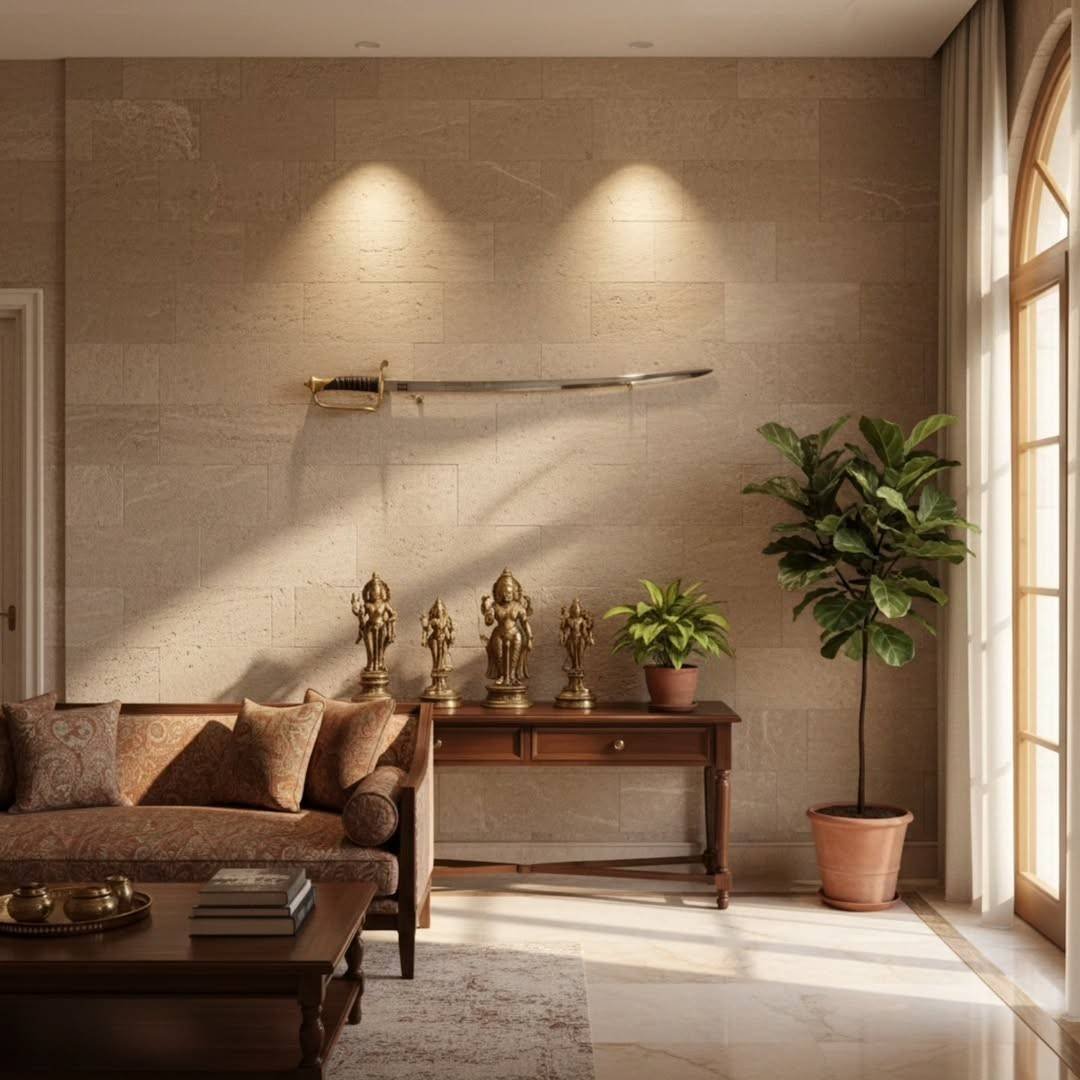
Collectors typically evaluate:
- Blade surface integrity
- Stability of fittings
- Finish consistency
- Overall visual presentation
A well-maintained medieval sword simply inspires more confidence. Even decorative medieval swords benefit from careful handling and preservation.
Decorative Medieval Swords and Collector Value
Decorative swords occupy an interesting space in the market.
Their primary purpose is visual impact rather than historical replication or functional use. Yet many decorative medieval swords hold meaningful collector value, especially when they demonstrate strong craftsmanship and distinctive design.
Collectors often value decorative pieces for:
- Artistic detailing
- Statement-making aesthetics
- Display presence
- Uniqueness of design
The key difference lies in the evaluation criteria. Decorative swords are judged more heavily on visual execution and finishing quality rather than functional authenticity.
Psychological Drivers Behind Collector Decisions
Collector behavior is not governed solely by technical factors.
Emotional response, aesthetic preference, and thematic alignment all influence perceived value. A sword that resonates visually or conceptually may become highly desirable even if it does not meet strict historical standards.
This is particularly relevant in categories like decorative medieval swords, where visual storytelling plays a central role. Engraving work, silhouette elegance, and overall design presence can significantly elevate appeal.
Value, in many cases, is shaped by how a sword makes the collector feel.
Practical Evaluation Insights for Buyers
For new enthusiasts navigating a medieval sword buying guide, value assessment becomes easier when approached systematically.
When comparing swords, consider:
- Does the craftsmanship reflect precision and care?
- Are the materials appropriate for the design intent?
- Does the sword feel structurally solid?
- How distinctive is the design?
- Is the condition consistent with the asking price?
These questions anchor decisions in logic rather than impulse.
Final Thoughts
A medieval sword becomes valuable through a combination of rarity, craftsmanship, materials, design credibility, and condition. No single characteristic determines worth. Instead, value emerges from how these elements interact.